
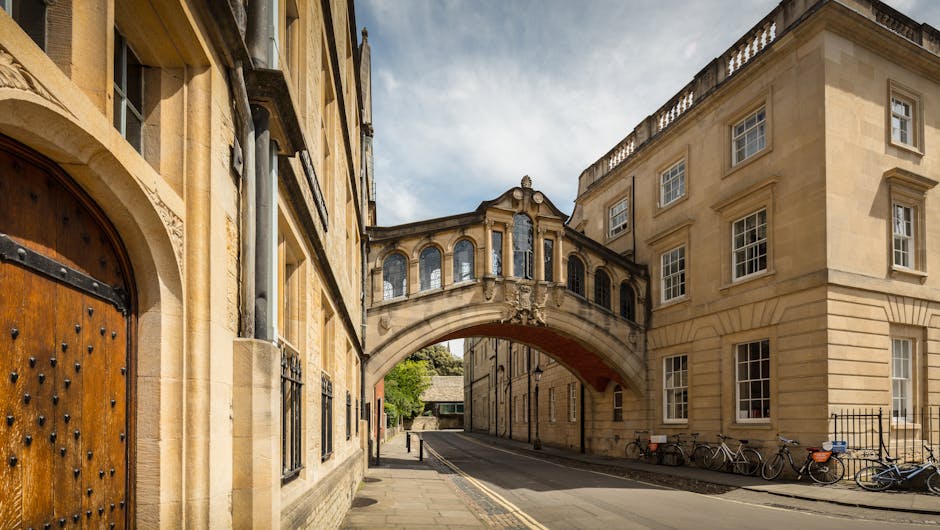
English education moved from church schools to state schools in three steps: medieval cathedral schools, Reformation grammar schools, then the Education Acts of 1870 and 1902 which built compulsory public provision. Comprehensives, the National Curriculum and today's academies are all later reworkings of the same argument about who selects and who pays. Knowing that sequence makes present-day debates about grammar schools much easier to read.
For context: 67.0% of GCSE results in England in summer 2026 were grade 4 or above. — gov.uk, Qualification results in England, summer 2026
The English education system, renowned for its extensive history and prestige, has evolved significantly over centuries. This blog post explores the transformative journey of educational practices in England, from medieval cathedral schools to the modern-day academy schools.
What is early education in England?
What are cathedral schools?
- Originating in the Middle Ages, cathedral schools were established by the church.
- These institutions primarily educated boys destined for the priesthood, focusing on Latin and classical studies.
What are grammar schools?
- The Protestant Reformation in the 16th century paved the way for grammar schools.
- Unlike cathedral schools, grammar schools were secular and accessible to boys from various social backgrounds.
What is the birth of state education?
What is the education act of 1870?
- Marked the beginning of compulsory education for children aged 5 to 10.
- Led to the creation of school boards to oversee elementary education.
What is the education act of 1902?
- Introduced local education authorities responsible for secondary education.
- Established grammar schools and technical schools offering specialized education.
What are modern educational reforms?
What does The Comprehensive School System offer?
- Introduced during the 1960s and 1970s to provide equal educational opportunities across all social classes.
- Comprehensive schools replaced the earlier system of grammar and secondary modern schools, criticized for reinforcing social inequalities.
What are the national curriculum and grant-maintained schools?
- The National Curriculum, established in 1988, standardized the educational content across all schools.
- The Education Reform Act of 1988 also introduced grant-maintained schools, which operated with greater autonomy over finances and management.
What is the 21st century educational landscape?
What are academies and free schools?
- The Academies Act of 2010 introduced academy schools, which are independent yet publicly funded.
- It also allowed for the creation of free schools, managed by parents, teachers, or other organizations, emphasizing community involvement in education.
What should you do next?
The English education system has a storied past influenced by various socio-political and economic changes. From its origins in religious institutions to the contemporary emphasis on inclusivity and standardized education, the system has continually adapted to meet the needs of its populace. As it progresses into the future, it remains to be seen how further changes will shape the educational landscape in England.
What else is worth reading?
- Effective Strategies for Teaching English Grammar
- The Future of English Careers: Key Trends and Opportunities
- The Future of English Education: Trends and Predictions for the 21st…
- The Impact of Technology on English Language Careers
- The Importance of Continuing Education for English Professionals
What can this guide not tell you about one learner?
Language progress is uneven, and what works for one learner stalls for another. Nothing here is a timetable: the pace described is typical rather than expected, and assessment criteria are set by the awarding body, not by this page.
The number behind why reading for pleasure keeps coming up:
“Just 1 in 3 (32.7%) children and young people aged 8 to 18 said that they enjoyed reading in their free time in 2025.” — National Literacy Trust, Children and young people’s reading in 2025
Where can you check this at source?
School performance, inspection judgements and admissions rules are published by the Department for Education and Ofsted. A guide is a starting point; these are the record:
- Compare school performance (gov.uk) — results, progress scores and cohort data by school
- Ofsted reports — the current inspection judgement for any school
- School admissions (gov.uk) — how applying for a school place works, and appeals