
.jpg)
Most students take between 7 and 10 GCSEs, and schools generally cap entries at around 12. There is no official minimum or maximum, but the gateway that matters is five GCSEs at grade 4 or above including English and Maths — sixth forms, universities and employers all anchor on it, and some medicine courses have asked for six at grade 7 or above. More is not automatically better: each subject demands roughly 120 hours of study.
You stand in the options room with the form in hand, wondering how many GCSEs to take and whether to include some of the Hardest GCSE Subjects. How many should you take, and which choices will stretch your time without improving your grades? This guide explains the typical and recommended number of GCSEs, core subjects to retain, optional subjects to consider, and how to balance your exam load, allowing you to make informed choices.
To make that choice easier, Ucademy’s online tutoring UK offers focused support on subject selection, exam planning, and targeted revision so you can balance workload and aim for the best outcomes.
How Many GCSEs Can You Do?
.jpg)
There is no fixed number of GCSEs a student must take in the UK. Each school sets its own guidelines, but typically, students take between seven and ten GCSE subjects. This range strikes a balance between core learning and opportunities to explore individual interests.
All students must take specific core GCSEs, which generally include English Language, Mathematics, and Science. Science can be studied as Combined Science (counting as two GCSEs) or as three separate sciences:
- Biology
- Chemistry
- Physics.
Besides the core subjects, schools usually allow students to choose additional subjects based on their interests. Standard options include the humanities, such as History and Geography, modern languages like French or Spanish, and creative or technical courses like Art, Music, or Computer Science.
While it is possible to take more than ten GCSEs, this is unusual and can lead to excessive workload and stress. Most schools advise focusing on a manageable number of subjects to achieve strong results rather than taking many GCSEs and spreading effort thinly.
Students typically study around seven to ten GCSEs, including mandatory core subjects and a selection of options that suit their passions and future goals. This approach helps maintain balance while preparing well for A-Levels, further education, or career paths.
Which subjects will keep the most doors open for you?
What else is worth reading?
- How Much Do GCSEs Cost
- Is IGCSE Easier Than GCSE
- GCSE Grades Percentages
- How to Revise for Biology GCSE
- How to Prepare for GCSE
How Many GCSEs Can You Take?

In the UK, there is no strict official limit on the number of GCSEs a student can take. Technically, students could register for as many GCSE subjects as they wish. However, most schools set practical limits to avoid overloading students and to manage timetable constraints. Typically, schools cap the number of GCSEs at around 12.
Most students usually take between seven and ten GCSEs. Schools require specific core subjects to be included, such as Maths, English Language, and Science, which can be either combined or triple science. Beyond these compulsory subjects, students often select additional subjects based on their interests and future educational goals.
Schools may also impose rules regarding the balance of subjects, requiring pupils to select from different categories, like humanities and modern languages, alongside core subjects. This ensures a broad and balanced curriculum that supports a range of skills.
Ultimately, the exact number and combination of GCSEs depend on the school's policies and the student’s capacity to manage their workload. Taking too many GCSEs can lead to stress and lower performance, so schools aim to help students find a manageable balance.
While there is no fixed maximum in theory, the commonly advised maximum is approximately 12 GCSEs, with most students taking between 7 and 10 subjects, including core and chosen electives. Schools guide students through their specific requirements to pick the correct number and mix of GCSEs for their success.
How Do You Make a Practical Choice: Questions for Students?
Do you have a clear progression plan toward A-Levels or vocational study? Which subjects do you need for those next steps? How much controlled assessment versus final exam does each subject involve? Will taking an extra subject distract you from the subjects you need most?
Where to check exact rules?
Review your school’s options booklet and speak with the careers or exams officer. They will explain the number of timetabled lessons, option blocks, and any formal caps the school enforces. Exam boards and colleges can confirm entry rules for external candidates.
How Many GCSEs Do You Need to Take?
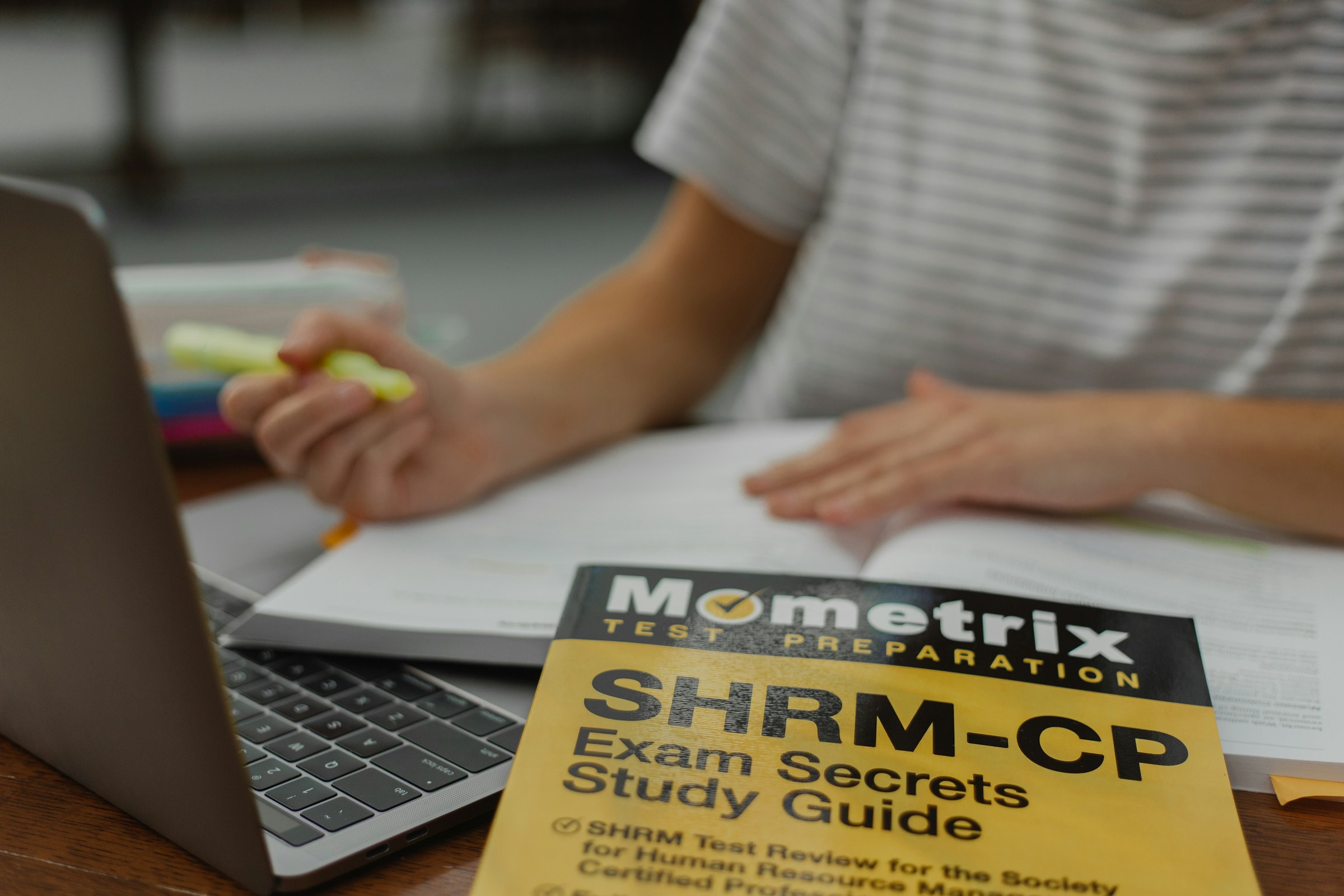
What is minimum GCSE count you need?
Most students take at least five GCSEs. Sixth forms and colleges commonly expect five passes to consider you for A-Levels or many vocational courses.
Entry rules usually specify grades too, for example, a grade 4 or 5 in English and maths for many classes. Different routes set different thresholds; apprenticeships and vocational paths may accept fewer GCSEs or different grade profiles. In comparison, selective schools and some sixth forms ask for more GCSEs or higher grades. Which pathway are you targeting for post-16 study or work?
What are the four core GCSEs?
Maths, English Language, and Science form the core. Science appears either as a combined science double award worth two GCSEs or as three separate GCSEs in biology, chemistry, and physics when you take the individual sciences. Schools also commonly require English Literature alongside English Language, so that you may end up with two English papers. These core subjects carry weight for college entry, employers, and future study options.
What is extra required subjects schools often ask for?
Many schools add compulsory subjects beyond the core. Common additions are English Literature, a modern foreign language such as French or Spanish, and a humanities subject like history or geography. Religious education and personal social health education may also be included in the school timetable.
The government performance measure, known as the English Baccalaureate, encourages pupils to take English, maths, science, a language, and a humanities subject. Some schools structure their options to support this measure. Do you want to aim for the EBacc or keep a broader options mix?
How many GCSEs students usually choose?
Most pupils take between seven and ten GCSEs. That range allows students to cover core requirements, select subjects needed for chosen A-Levels or apprenticeships, and explore creative or vocational options. Schools often cap the number of choices at around twelve to keep the workload manageable and to fit the timetable.
Your GCSE choices shape future possibilities: taking triple science helps if you want A-Level science, while a language GCSE opens doors to humanities and language A-Levels. Which subjects are you considering, and how many do you feel you can handle?
What else is worth reading?
- How to Pass GCSE Maths
- Is 7 a Good GCSE Grade
- How to Revise for English Language Paper 1
- How to Revise for Spanish GCSE
- How to Revise for History GCSE
- Bad GCSE Grades
How Many GCSEs Do You Need?

How Many GCSEs Do You Need to Do A-Levels?
Most sixth forms and colleges ask for about five GCSEs, and they usually include English and maths as must-haves. Aim for at least grade 4 in those two subjects, because if you do not reach that level, you will have to keep studying or retake them while you are aged 16 to 18. Specific A-Level subjects can raise the bar.
For example, some colleges expect you to have taken the same subject at GCSE and to have achieved a particular grade before you start the A-Level version. Which A-Levels are you planning to study, and what GCSEs do those courses require?
How Many GCSEs Do You Need for University?
Universities typically look for five GCSEs at grade 4 or above, again including English and maths. Competitive courses set higher expectations; medical and engineering programs often require higher grades to a higher standard. One example: medicine applicants at some universities have had requirements like six GCSEs at grade 7 or above.
Universities will also review your A-Level results, personal statement, admissions tests, and any required subjects, so GCSEs form part of the overall academic picture. Have you checked the GCSE requirements listed on the course pages for the universities you are interested in?
How Many GCSEs Do You Need for an Apprenticeship?
Apprenticeship entry rules vary by level. Intermediate apprenticeships, at the level of GCSEs, often accept applicants without prior qualifications. Advanced apprenticeships, roughly equivalent to A-Levels, commonly require at least three GCSEs, including English and maths.
Employers usually set specific criteria for many vacancies, and some allow equivalent certification or relevant work experience as alternatives to exact GCSE grades. Which apprenticeship level are you targeting, and what do the vacancy adverts ask for?
How Many GCSEs Do You Need for a Job?
Entry roles and many training positions typically expect around five GCSEs at grade 4 or better, with English and maths included. Different industries and employers set their own standards, and some emphasise practical skills, vocational qualifications, or on-the-job experience more than exam grades.
Trades and technical roles may require specific GCSE subjects, such as science or ICT. Suppose you lack a necessary grade in English or maths. In that case, you will have to continue studying those subjects until you secure a grade of 4, which can affect job eligibility for some employers. What jobs interest you, and which GCSEs do those job adverts list?
How should you choose your GCSE subjects?

Choosing GCSE subjects is a crucial decision that can significantly impact your educational journey and future career options. With over 80 subjects available, it's essential to plan which ones are right for you carefully. Below are key considerations to keep in mind when selecting your GCSE subjects.
How Do You Set Personal Goals?
The first step when choosing your GCSEs is to consider your ambitions after completing them. Are you thinking about university? If so, it's wise to research the entry requirements for the university courses you are interested in.
Selecting subjects that align with these prerequisites will help you prepare effectively and maintain flexibility for higher education opportunities. Even if you are unsure about your exact career path, think about fields that intrigue you or areas where you want to gain more expertise. This approach ensures you build a foundation that suits your long-term objectives.
How Do You Balance Academics and Extracurricular Activities?
Considering the number of GCSEs to take is crucial because each subject demands around 120 hours of study to perform well. Taking many subjects means a heavy workload, often requiring almost full-time dedication to studying. To avoid getting overwhelmed, evaluate how much time you want to spend on hobbies, sports, part-time jobs, or other interests alongside your studies. Finding the right balance between schoolwork and personal activities will allow you to thrive academically while maintaining a healthy lifestyle.
How Do You Assess Your Interests and Strengths?
Selecting subjects that genuinely interest you will make studying more enjoyable and motivate you to reach higher grades. Reflect on the subjects you have enjoyed so far or activities you like outside school, such as art, sports, or technology. Also, consider your natural talents (analytical thinking, creativity, or communication) and choose GCSE subjects that align with these skills. This will not only make learning easier but also increase your chances of academic success.
How are GCSEs assessed?
.jpg)
Different GCSE subjects have various assessment methods, including exams, coursework, or practical work. Think about which type of assessment suits your learning style. For instance, if you handle exams well under pressure, you might prefer subjects with a heavy emphasis on exams, while if you excel in projects, consider subjects with more coursework. Knowing this can help you choose subjects that play to your strengths and reduce stress during exam season.
How Do You Explore Subject Combinations?
It can be beneficial to select GCSEs that complement each other, either in terms of content or skills. For example, science subjects like Biology, Chemistry, and Physics have overlapping topics, which can make studying more efficient. Alternatively, mixing essay-based subjects with practical ones can provide variety and balance to your workload. Carefully planning subject combinations can make your overall study experience smoother and more engaging.
How do you consult with school counsellors or private tutors?
Guidance plays a crucial role in making informed GCSE choices. School counsellors can provide expert advice tailored to your strengths and aspirations. Additionally, private tutors, such as the expert online tutors at Ucademy, can offer personalized support and insights to help you understand which subjects will complement your skills and future goals.
Don’t hesitate to seek advice; these professionals are there to guide you through the decision-making process and ensure your choices are well-suited to your needs. Could a short taster class, mock exam, or extra session with a tutor change your mind?
What is simple decision checklist to finalise choices?
List required core GCSEs first and mark any that are specified by future courses. Count how many subjects you will take and check the total study hours. Confirm the assessment type for each subject and look for timetable clashes. Discuss your draft list with a careers advisor and at least one teacher who is familiar with your work.
What else is worth reading?
- How Important Are GCSEs for University
- How to Revise for GCSE in Year 10
- Best Revision Books for GCSE
- Best GCSE Subjects
How Ucademy personalizes support for hard subjects?
We pair students with tutors who match their subject needs and university ambitions. Each tutor creates a step-by-step roadmap with clear milestones, topic checks, and exam practice cycles to guide students. Parents receive regular progress reports and a structured accountability plan, ensuring sessions lead to measurable improvement.
What is questions you can ask your Child’s school or tutor today?
Which exam board and specification do you follow, and how does that affect topic coverage? How many GCSEs do students typically take here, and what support exists for triple science or further maths? What is the school's policy on retakes and predicted grades? Ask fora sample past paper performance and a mock exam schedule so you can align home revision with school testing.
What are next steps if your child struggles with a tough GCSE?
What are the honest limits of any grade or percentage figure?
Grade boundaries are set for each exam series, for each board and tier, after marking is complete. Every percentage and boundary described here is a historical example, not a promise: a 2025 boundary tells you about 2025. For the series you are actually sitting, check JCQ and your own board.
That is the part most guides leave out, and the exam boards state it plainly:
“Candidates must be informed that their marks and subject grades could go down as well as up.” — JCQ, Post-Results Services
Where do these figures come from?
Grade boundaries and pass rates are set and published by the exam regulator and the boards themselves, and they change every exam series. Check the current figures at source: