
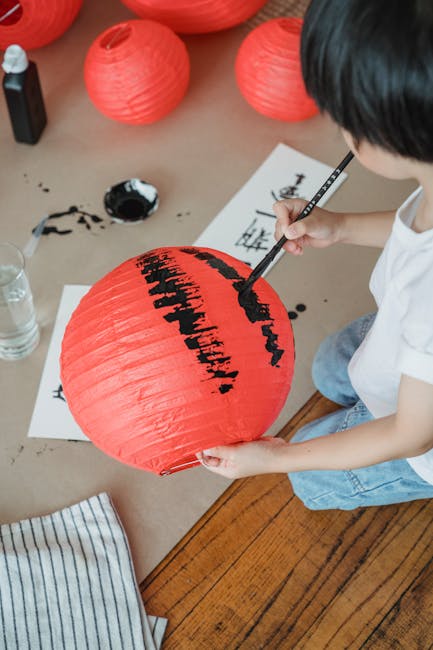
Year 5 is the right time for extracurricular activities because there is still room before secondary transfer pressure. Sport, music and art, science clubs, reading and community service all build confidence and skills that the classroom does not. The benefit comes from continuity, so pick something your child will still attend next term.
Nearly two in five pupils leave primary school below the expected standard: 62% met it in 2025. — DfE, Key stage 2 attainment, 2025
Year 5 represents a pivotal stage in a student's academic life, serving as the bridge between primary and secondary education. It's a year filled with growth, challenges, and opportunities. To fully capitalize on this transformative period, engaging in extracurricular activities is crucial.
These activities not only complement academic learning but also foster personal development and skill acquisition. This blog post delves into various extracurricular activities that support learning and development in Year 5, preparing students for the demands of secondary school.
What Are the Benefits of Extracurricular Activities?
What are sports and physical activities?
- Physical Fitness: Engaging in sports helps improve students' physical health and endurance.
- Teamwork and Leadership: Participating in team sports or physical activities like dance or martial arts fosters leadership qualities and collaborative skills.
- Community Building: Being part of a sports team or club enhances the sense of community and belonging among students.
What is music and art?
- Creativity Development: Music and art stimulate creativity and allow students to express themselves in unique ways.
- Skill Enhancement: Through classes and clubs, students can learn various artistic techniques and musical skills.
- Personal Expression: These activities provide a platform for students to develop and share their artistic voices.
What is science and technology?
- Emerging Technologies: Activities like robotics and coding clubs introduce students to the latest technologies.
- Critical Thinking: Engaging in science and technology challenges enhances problem-solving and analytical skills.
- Hands-on Learning: Science fairs and tech clubs offer practical experiences that are both educational and engaging.
What is reading and writing?
- Literacy Skills: These activities are fundamental in strengthening reading and writing abilities.
- Knowledge Expansion: Participating in reading clubs and workshops broadens students' understanding of various subjects through diverse literary genres.
- Creative Writing: Writing clubs encourage personal expression and help students refine their writing style.
How Do You Volunteer and Community Service?
- Empathy and Social Responsibility: These activities cultivate a sense of empathy and commitment to community welfare.
- Leadership Skills: Organizing and participating in community service projects develop leadership and organizational skills.
- Positive Impact: Students learn the value of making a difference in their community through direct involvement in service projects.
What should you do next?
Extracurricular activities play a vital role in enhancing the educational journey of Year 5 students. By participating in diverse activities ranging from sports to community service, students gain invaluable skills and experiences that prepare them for future academic and personal challenges. Encouraging children to explore and engage in these activities can lead to a more fulfilling and enriching Year 5 experience, setting a robust foundation for their secondary education and beyond.
What else is worth reading?
- Why Summer is harming your child's education
- Navigating the Transition: A Year 7 Student's Guide to Thriving in…
- Navigating the UK Education System: A Guide for Year 10 Students
- Navigating Year 2: A Comprehensive Guide for Parents and Students
- Navigating Year 4: A Comprehensive Guide for Parents
What can this guide not tell you about your own school?
The national curriculum binds maintained schools, but academies and private schools do not have to follow it — so what your child is actually taught, and when, can differ from what is described here. Your school’s own curriculum plan is the authority for your child.
One caveat parents are rarely told:
“Other types of school, like academies and private schools, do not have to follow the national curriculum.” — gov.uk, The national curriculum
What research supports these methods?
The study techniques on this page are not our opinion. Each comes from published cognitive-science research, linked here so you can read the original:
- Karpicke & Roediger, Science (2008) — testing yourself beats re-reading, by a wide margin
- Cepeda et al., Psychological Bulletin (2006) — spacing sessions out beats cramming
- Dunlosky et al., Psychological Science in the Public Interest (2013) — practice testing and spacing rated highest of ten techniques; highlighting among the lowest