
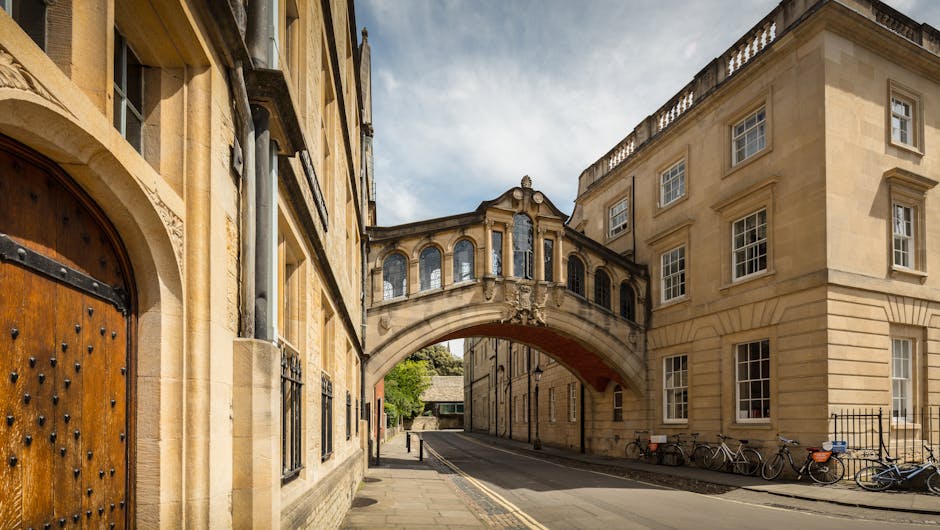
An English degree sells one thing employers cannot train quickly: writing that is clear under pressure. It leads into publishing, journalism, marketing, teaching, law conversion and the civil service, and it is one of the most common degrees among graduate-scheme entrants. What turns it into a job is evidence - published work, a placement, an internship - collected during the degree rather than after it.
Degrees still move the employment number: 87.6% of graduates in England were employed in 2024, against 68.0% of non-graduates. — DfE, Graduate labour market statistics, 2024
In the current competitive job landscape, obtaining a degree in a versatile field that provides a robust foundation for career growth is crucial. An English degree stands out as one of these fields, offering broad career opportunities and equipping students with essential skills for success across various industries.
Why Should You Pursue an English Degree?
Why do strong communication skills matter?
- Written Communication: English majors master the art of crafting well-structured written content, crucial for roles in journalism, content creation, and communications.
- Verbal Communication: The ability to articulate ideas clearly and persuasively is essential in fields such as public relations, advertising, and teaching.
What is critical thinking and analysis?
- Problem Solving: English studies enhance the ability to analyze issues critically and propose thoughtful, effective solutions.
- Strategic Thinking: This skill is particularly beneficial in professions like law, business strategy, and consultancy.
What is cultural understanding and sensitivity?
- Diverse Perspectives: Exposure to various cultural texts helps students appreciate multiple viewpoints, enhancing their empathy and cultural sensitivity.
- Global Competence: These attributes are increasingly valued in global businesses and organizations that operate across cultural boundaries.
What is versatility?
- Adaptability: The diverse skills gained from an English degree allow graduates to adapt to various roles and industries.
- Career Flexibility: English majors can transition between different career paths, such as education, media, public relations, and more, depending on their evolving interests and market demands.
What are career opportunities for English majors?
The versatility of an English degree opens up numerous career paths. Graduates can pursue opportunities in:
- Education: Teaching at different levels, from primary education to university professorships.
- Media and Journalism: Roles in writing, editing, broadcasting, and digital content creation.
- Corporate Fields: Positions in marketing, human resources, and corporate communications.
- Creative Industries: Careers in publishing, literary analysis, and freelance writing.
What should you do next?
Why an English degree is a smart choice?
A degree in English not only fosters a wide range of transferable skills but also prepares students for substantial roles in numerous fields. Whether you are starting your professional journey or aiming to climb higher in your career ladder, the competencies developed through an English degree can significantly contribute to your success. If you seek a field that offers both versatility and rewarding opportunities, an English degree is worth considering.
What else is worth reading?
- Effective Strategies for Teaching English Grammar
- Understanding the Differences Between British and American English
- Unlock the Benefits of Bilingualism in Your English Career
- Unlocking Career Opportunities with an English Degree: Exploring…
- Unlocking Career Success: The Benefits of Learning English
What can this guide not tell you about your own application?
Entry requirements, deadlines and how offers are made change every admissions cycle, and vary between courses at the same university. A published requirement is where the conversation starts, not a guarantee of a place. Always confirm against UCAS and the course page itself.
Course claims are checkable, and this is where the numbers come from:
“The data on Discover Uni includes official statistics from national surveys and data collected from universities and colleges.” — Discover Uni, About our data
Where can you check this at source?
University entry requirements, deadlines and course outcomes are set by UCAS and the institutions, and change every cycle. Confirm against the source:
- UCAS — applying to university — deadlines, references and how the cycle works
- Discover Uni — official course data: satisfaction, continuation and graduate earnings
- Student finance (gov.uk) — what you can borrow and how repayment works