
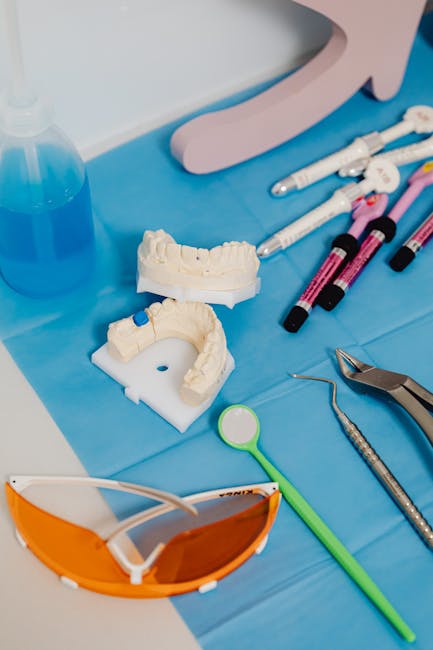
A dental hygiene qualification is one of the strongest routes into dental school, because it supplies real clinical experience. It builds foundation science, patient-care practice and a working knowledge of the profession that most applicants lack. Admissions panels value the evidence, and the student arrives already able to handle patients - which the first clinical year assumes.
For context: the graduate employment rate in England was 87.6% in 2024, against 68.0% for non-graduates. — DfE, Graduate labour market statistics, 2024
Dental hygiene programs are not just about learning how to clean teeth; they are crucial stepping stones for those aiming to enter dental school. This blog post delves into how these programs equip students with essential skills and knowledge, preparing them for the rigorous demands of dental school.
What Are the Benefits of Dental Hygiene Programs?
Dental hygiene programs serve as a critical preparatory stage for aspiring dental students. Below, we explore the multifaceted benefits these programs offer.
What is strong foundation in dental sciences?
- Coursework Coverage: Students engage with fundamental subjects such as anatomy, physiology, and pharmacology.
- Preparation for Advanced Studies: The deep dive into core sciences builds a robust base for the challenging coursework encountered in dental school.
What is practical experience in patient care?
- Hands-on Clinical Practice: Students gain firsthand experience by working in dental clinics.
- Skill Development: Performing dental procedures and providing patient education enhances clinical competencies necessary for dental school.
What is exposure to the dental profession?
- Career Path Insights: The program introduces various dental career options, aiding students in their career decision-making process.
- Real-World Understanding: Students observe and learn the day-to-day responsibilities of dental professionals, which demystifies the field and solidifies their interest in dentistry.
What is preparation for dental school admissions?
- Admissions Process Familiarity: Students learn about the intricacies of the dental school application process.
- Test Preparation: Guidance is provided for the Dental Admission Test (DAT), increasing students' chances of success.
Why do professional development opportunities matter?
- Research Participation: Engaging in research projects offers insights into the dental field's academic and investigative aspects.
- Networking: Attending conferences and seminars provides valuable networking opportunities with professionals in the industry.
What should you do next?
In summary, dental hygiene programs are indispensable for those planning to pursue a career in dentistry. They not only furnish students with essential academic knowledge and practical skills but also offer a glimpse into the professional world of dentistry. These programs prepare students comprehensively for dental school admissions and future career challenges. Encouraging participation in such programs can significantly impact a student's readiness and success in their dental education and beyond.
What else is worth reading?
- Effective Study Habits for Dental School Success
- The Crucial Role of Extracurricular Activities in Dental School…
- The Essential Guide to Dental Externships for Aspiring Students
- The Essential Guide to Shadowing a Dentist for Aspiring Dental…
- The Essential Role of Communication Skills in Dentistry
What can this guide not tell you about your own application?
Entry requirements differ between dental schools and change each admissions cycle, and registration rules are set by the General Dental Council rather than by any guide. Nothing here predicts an individual application. Confirm with the school you are applying to.
The NHS puts the job simply:
“Dentists are the frontline of good oral health.” — NHS Health Careers, Dentist
What research supports these methods?
The study techniques on this page are not our opinion. Each comes from published cognitive-science research, linked here so you can read the original:
- Karpicke & Roediger, Science (2008) — testing yourself beats re-reading, by a wide margin
- Cepeda et al., Psychological Bulletin (2006) — spacing sessions out beats cramming
- Dunlosky et al., Psychological Science in the Public Interest (2013) — practice testing and spacing rated highest of ten techniques; highlighting among the lowest