
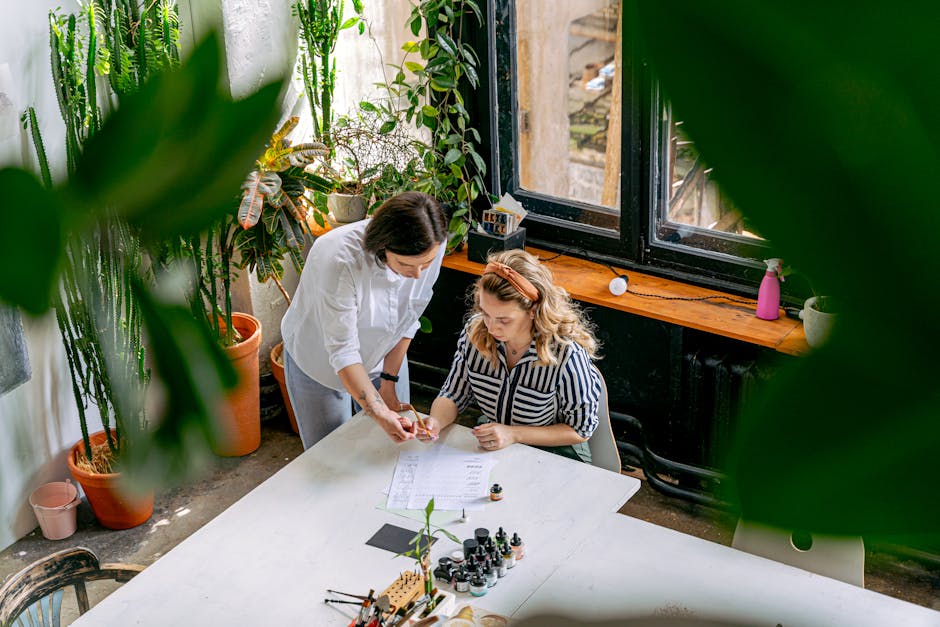
Richmond schools are adopting personalised learning, project-based work, flipped classrooms, gamification and maker education. What they share is more doing and less listening. The version that matters is implementation - the same label covers excellent and superficial practice. On a school visit, ask how they know a method is improving results, not whether they use it.
For context: 83.6% of families in England were offered their first-preference secondary school for September 2026 entry, and 92.4% their first-preference primary. — DfE, School applications and offers, 2026
Innovation in teaching is crucial for keeping up with the rapidly changing world and preparing students for the future. Richmond upon Thames, a borough in South-West London, boasts a vibrant education system that embraces innovative teaching practices. This blog post delves into the various teaching methodologies being adopted in Richmond upon Thames schools to enhance learning and equip students with essential skills for the 21st century.
What are innovative teaching practices?
What is personalized learning?
- Technology Integration: Utilizing online platforms and adaptive software, teachers in Richmond upon Thames schools can create customized learning paths.
- Students learn at their own pace and style, enhancing personal growth and understanding.
What is project-based learning?
- Real-World Relevance: Engaging students in interdisciplinary projects that require critical thinking, problem-solving, and collaborative skills.
- These projects help students apply their knowledge in practical settings, fostering essential skills for future careers.
What is flipped classroom?
- Active Learning Focus: By reversing traditional classroom roles, students prepare by watching lectures or reading materials before class.
- Classroom time is then dedicated to interactive activities like discussions and collaborative problem-solving, which enhances engagement and understanding.
What is gamification?
- Learning through Play: Incorporating game-like elements such as points, badges, and leaderboards to boost motivation and engagement.
- This approach makes learning enjoyable and interactive, encouraging students to participate actively and enthusiastically in their education.
What is maker education?
- Hands-On Learning: Schools provide makerspaces where students can engage in hands-on, project-based learning.
- These spaces are equipped with various tools and materials, allowing students to design, create, and build projects, which cultivates creativity, critical thinking, and problem-solving skills.
What should you do next?
Richmond upon Thames schools are at the forefront of educational innovation, integrating various progressive teaching practices to prepare students effectively for future challenges. Through personalized learning, project-based learning, flipped classrooms, gamification, and maker education, these schools are not only enhancing academic performance but also ensuring that students are well-prepared to tackle the complexities of the modern world. Richmond upon Thames is setting a benchmark for educational practices that other districts could look to emulate.
What else is worth reading?
- Exploring the Educational Excellence of Richmond upon Thames
- Exploring Higher Education in Richmond upon Thames: A Comprehensive…
- Exploring the Historical Education Opportunities in Richmond upon Thames
- Nurturing Early Development: The Importance of Early Years Education…
- Supporting Your Child's Mental Health in Richmond upon Thames Schools
What can this guide not tell you about a particular school?
There is no national 11+ exam. Each school or local authority sets its own test, dates and admissions criteria, and republishes them every year, so the detail here can go out of date within a cycle. Confirm against the school’s own admissions policy and gov.uk school admissions before you rely on any date.
One caveat parents are rarely told:
“Other types of school, like academies and private schools, do not have to follow the national curriculum.” — gov.uk, The national curriculum
What research supports these methods?
The study techniques on this page are not our opinion. Each comes from published cognitive-science research, linked here so you can read the original:
- Karpicke & Roediger, Science (2008) — testing yourself beats re-reading, by a wide margin
- Cepeda et al., Psychological Bulletin (2006) — spacing sessions out beats cramming
- Dunlosky et al., Psychological Science in the Public Interest (2013) — practice testing and spacing rated highest of ten techniques; highlighting among the lowest